Best dental clinic for oral hygiene in Vijayawada. Oracle Dental Care in Vijayawada is dedicated to promoting oral hygiene and providing comprehensive dental care for patients of all ages. As the first ISO-certified dental clinic in Vijayawada, Oracle Dental Care adheres to high standards of safety, hygiene, and quality treatment, offering various dental services such as preventive care, cosmetic dentistry, restorative procedures, and advanced solutions with modern technology and experienced professionals. The clinic prioritizes patient comfort, oral health education, and long-term dental wellness, establishing itself as a reliable option for comprehensive oral hygiene and dental care in Vijayawada.
Best Oral hygienist in Vijayawada
Best oral hygienist in Vijayawada. Dr. Manohar is one of the top-rated oral hygienists in Vijayawada, known for his expertise, gentle approach, and commitment to maintaining excellent oral health for patients. At Oracle Dental Care, the emphasis is on preventive dental care, professional teeth cleaning, gum care, and oral hygiene education to promote oral health. Utilizing advanced techniques and a patient-focused approach, Dr. Manohar maintains high standards of hygiene, safety, and comfort, establishing Oracle Dental Care as a reliable provider of professional oral hygiene services in Vijayawada.
Importance of Oral Hygiene
Oral hygiene extends beyond the aesthetic appeal of white teeth or an ideal smile for social media; it is fundamentally linked to overall health, confidence, and quality of life. The mouth acts as an entry point to the body, and everything consumed or inhaled passes through it. Ineffective oral care can lead to various health issues. Despite its importance, oral hygiene remains a frequently overlooked component of daily self-care, as many individuals engage in habitual brushing without fully comprehending its significance or its connection to overall bodily health.
Maintaining good oral hygiene is comparable to performing regular maintenance on a car. While it is possible to occasionally skip an oil change, neglecting this maintenance over time can lead to accumulating damage. Issues such as cavities, gum disease, bad breath, and tooth loss develop gradually due to daily habits that are either practiced or neglected. The significance of oral hygiene lies in its preventability; with the appropriate knowledge and consistent practices, most dental problems can be avoided before they arise.
What Is Oral Hygiene?
Oral hygiene involves daily practices and habits aimed at maintaining a clean and healthy mouth, free from disease. Fundamentally, it focuses on managing bacteria within the oral environment. The mouth hosts millions of bacteria, some of which are harmless, beneficial, or harmful. When harmful bacteria proliferate, they generate plaque, a sticky film that adheres to teeth and gums. If left unchecked, plaque hardens into tartar, which can result in cavities, gum disease, and various other serious oral health problems.
Effective oral hygiene encompasses a comprehensive system of care that goes beyond simply brushing teeth twice a day. This includes proper brushing techniques, daily flossing, using mouthwash when appropriate, adhering to a diet that supports dental health, and attending regular dental checkups. Each component serves a specific purpose: brushing removes food particles and plaque from tooth surfaces, flossing cleans the tight spaces between teeth that brushes may not reach, mouthwash reduces bacteria and freshens breath, and dental visits allow for early detection of potential issues, often before the onset of pain.
Oral hygiene practices vary significantly, as they are influenced by factors such as age, diet, lifestyle, and health conditions. Children learning to brush, adults managing work-related stress, and seniors experiencing dry mouth each encounter distinct challenges. However, the objective remains consistent: to uphold a clean and balanced oral environment that promotes both oral and overall health.
Why Oral Hygiene Matters More Than You Think
Oral hygiene should not be considered solely a cosmetic issue, as it has significant implications for overall health. Bacteria from infected gums or decaying teeth can enter the bloodstream and spread to other parts of the body, potentially causing inflammation and contributing to serious health conditions. Therefore, maintaining oral hygiene is essential, as neglecting it can lead to broader health problems over time.
Oral hygiene plays a significant role in eating, speaking, and social interactions. Tooth pain may cause discomfort during chewing, potentially affecting nutrition. Gum disease can result in bleeding and swelling, which might hinder conversations. Persistent bad breath can influence relationships and self-assurance. Over time, these problems can affect mental well-being, leading to stress and embarrassment that can often be mitigated with regular daily care.
Oral hygiene is important due to its accessibility. Unlike various health conditions that necessitate complex treatments or costly interventions, oral hygiene can be managed daily. A toothbrush, toothpaste, floss, and a few minutes each day can have a significant impact. It is one of the most cost-effective forms of preventive healthcare available; thus, maintaining oral hygiene is essential rather than optional.
The Connection Between Oral Health and Overall Health
The mouth is interconnected with the rest of the body through blood vessels and nerves. Poor oral hygiene can lead to the proliferation of harmful bacteria, which can enter the bloodstream via inflamed or bleeding gums. Once in the bloodstream, these bacteria can cause systemic inflammation, potentially elevating the risk of chronic diseases.
Research indicates significant associations between inadequate oral health and various conditions, including heart disease, stroke, diabetes, respiratory infections, and complications during pregnancy, with inflammation being the common underlying factor. Gum disease, also referred to as periodontal disease, is fundamentally a chronic inflammatory condition. Systemic inflammation can impose additional strain on the immune system and vital organs.
Maintaining proper oral hygiene helps control harmful bacteria and decrease inflammation, which in turn supports the immune system by not overwhelming it with additional stress. By ensuring a healthy mouth, the body can direct its energy toward other essential functions rather than continually combatting infections that originate from the gums.
Advantages of Oral Hygiene
Maintaining oral hygiene is a routine practice that, although it may appear minor, has significant long-term benefits. Regular brushing, flossing, and oral care not only protect dental health but also enhance general health, boost confidence, and improve life quality. The main benefits of practicing good oral hygiene are outlined clearly and practically below.
1. Prevents Tooth Decay and Cavities
A significant benefit of maintaining oral hygiene is its capacity to prevent tooth decay. When food particles remain on the teeth, bacteria consume them, producing acids that weaken the tooth enamel. This process eventually leads to cavities. By regularly brushing and flossing, plaque is removed before it can cause permanent harm, resulting in fewer fillings, reduced need for dental procedures, and healthier teeth over an extended period.
2. Protects Against Gum Disease
Maintaining oral hygiene is essential in preventing gum diseases like gingivitis and periodontitis. Healthy gums are characterized by their firmness, pink color, and lack of bleeding. Inadequate oral care can lead to plaque accumulation along the gum line, resulting in inflammation, bleeding, and infection. Consistent brushing and flossing help strengthen gums and minimize the risk of tooth loss due to severe gum disease.
3. Improves Overall Health
Oral hygiene is significant for overall health, as inadequate oral care has been associated with heart disease, diabetes, respiratory infections, and other serious conditions. Maintaining oral cleanliness helps reduce harmful bacteria and inflammation, which can affect other parts of the body. Essentially, good oral health contributes to the well-being of the entire body.
4. Prevents Bad Breath
Halitosis, or bad breath, is commonly due to bacteria present in the mouth. Engaging in routine brushing, flossing, and tongue cleaning helps eliminate these odor-causing bacteria. Maintaining proper oral hygiene contributes to keeping breath fresh and facilitates more comfortable and confident social interactions.
5. Saves Money on Dental Treatments
Preventive care is generally more cost-effective compared to corrective treatment. Regular oral hygiene practices can help prevent the need for expensive dental procedures like root canals, crowns, and extractions. Dedicating a few minutes daily to oral care can result in substantial financial savings over time.
6. Boosts Confidence and Self-Esteem
Maintaining oral hygiene contributes to enhanced self-assurance, as having well-cared-for teeth and fresh breath can lead to increased comfort in verbal communication, smiling, and social interactions. This, in turn, may have a beneficial impact on personal relationships, educational experiences, and career prospects.
7. Helps Maintain Strong Teeth for Life
Maintaining oral hygiene helps fortify tooth enamel and reduces the risk of premature tooth loss. Having strong teeth supports the ability to consume a balanced diet, effectively chew food, and enjoy meals without discomfort. This becomes increasingly significant with age, as tooth loss can impact nutrition and speech.
8. Supports Healthy Digestion
Digestion starts in the mouth, where thorough chewing breaks down food into smaller pieces, facilitating its digestion in the stomach and intestines. Well-maintained teeth and gums enhance the ability to chew effectively, aiding in improved digestion and nutrient absorption.
9. Reduces Risk of Infections
Maintaining good oral hygiene reduces the likelihood of developing oral infections, such as abscesses and sores. If left untreated, these infections can cause pain and potentially spread to other parts of the body. Proper oral care serves as a defense against harmful bacteria.
10. Encourages Healthy Daily Habits
Maintaining oral hygiene fosters discipline and self-care, often resulting in improved lifestyle decisions such as adopting healthier eating habits and attending regular health checkups. These practices support long-term physical and mental well-being.
Oral Hygiene and Heart Health
The link between oral hygiene and heart health is extensively researched in modern medicine. Individuals with gum disease have a higher likelihood of developing heart disease. Although oral bacteria do not directly cause heart attacks, they significantly increase the risk. When bacteria from infected gums enter the bloodstream, they can adhere to fatty deposits in blood vessels, which contributes to the formation of clots.
Blood clots can hinder circulation, elevating the risk of heart attacks and strokes. Additionally, persistent inflammation caused by gum disease places strain on the cardiovascular system. Therefore, brushing and flossing play a crucial role in maintaining not only dental health but also cardiovascular health. Keeping gums healthy aids in reducing inflammation and ensures proper blood vessel function.
Maintaining good oral hygiene can contribute to heart health by preventing the onset of gum disease. Practicing basic habits such as brushing gently along the gum line, flossing daily, and attending regular dental cleanings can substantially lower the risk. This underscores the importance of daily habits in potentially having significant health impacts.
Maintaining oral hygiene offers benefits beyond just clean teeth; it helps protect against diseases, reduces potential healthcare costs, boosts confidence, and supports overall well-being. Practicing oral hygiene is a straightforward daily routine that provides long-term advantages. Caring for your oral health is essentially an investment in your overall health, satisfaction, and future well-being.
Good Oral Hygiene Practices
It is important to maintain good oral hygiene to ensure the health of your teeth, gums, and mouth. Daily habits can effectively prevent most dental issues and contribute to overall health. The following are effective and easy-to-follow oral hygiene practices that can be incorporated into daily routines.
1. Brush Your Teeth Twice a Day
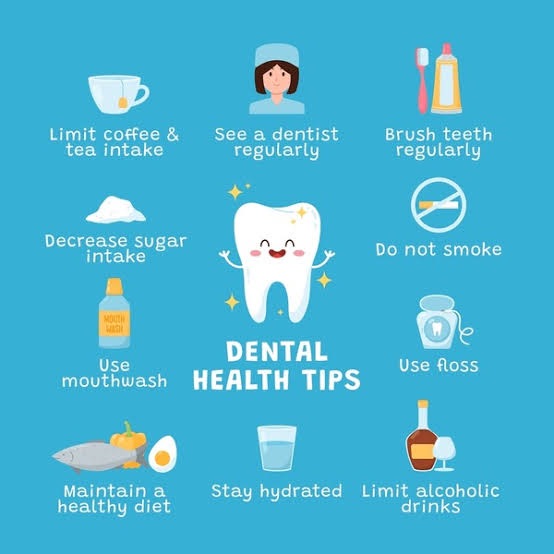
It is recommended to brush your teeth at least twice daily, once in the morning and once before bedtime, using a soft-bristled toothbrush and fluoride toothpaste. Employ gentle circular motions to ensure all tooth surfaces, including the front, back, and chewing areas, are thoroughly cleaned. This routine helps in removing plaque and food particles that can lead to cavities and gum disease.
2. Use the Right Brushing Technique
It is important to avoid brushing with excessive force to prevent damage to tooth enamel and irritation of the gums. Position the toothbrush at a 45-degree angle to the gum line and brush in a slow, gentle manner for a minimum of two minutes. Additionally, it is advisable to replace the toothbrush every three to four months or when the bristles become worn.
3. Floss Daily
Flossing holds equal importance to brushing as it removes food particles and plaque from areas between the teeth and beneath the gum line that a toothbrush cannot access. Engaging in daily flossing is effective in preventing cavities, gum disease, and bad breath.
4. Clean Your Tongue
Bacteria can accumulate on the tongue and lead to unpleasant breath. It is advisable to use a tongue scraper or a toothbrush to gently clean the tongue daily, as this practice can substantially enhance oral freshness and hygiene.
5. Rinse with Mouthwash
Utilizing an antibacterial or fluoride mouthwash can aid in reducing bacteria, strengthening enamel, and freshening breath. It is recommended to use mouthwash after brushing and flossing, rather than as a substitute for these practices.
6. Limit Sugary and Acidic Foods
Consuming foods and beverages high in sugar and acid can elevate the likelihood of tooth decay. It is advisable to limit the intake of sweets, sodas, and processed snacks and opt for foods that are beneficial for dental health, such as fruits, vegetables, dairy products, and nuts.
Effective oral hygiene involves straightforward practices such as regular brushing and flossing, making wise dietary choices, and attending dental appointments. These actions contribute to maintaining oral health and preventing long-term dental issues. Consistent application of these practices can result in enduring benefits.
7. Drink Plenty of Water
Consuming water assists in removing food particles and bacteria and stimulates saliva production, which serves to naturally protect teeth by neutralizing acids in the mouth. Drinking water following meals is particularly advantageous.
8. Avoid Tobacco Products
Smoking and chewing tobacco are associated with an increased risk of gum disease, tooth discoloration, bad breath, and oral cancer. Choosing to avoid tobacco can positively impact both oral and overall health.
9. Maintain Oral Hygiene Tools Properly
After using your toothbrush, rinse it and store it in an upright position to allow it to air-dry. Refrain from sharing toothbrushes and ensure they are kept away from the toilet area to prevent contamination.
Effective oral hygiene involves basic yet impactful practices. By brushing, flossing, making wise dietary choices, and attending regular dental check-ups, one can maintain good oral health and avoid future dental issues. Consistent daily efforts are essential for long-term benefits.