
Dental bridges are a widely used method for replacing one or more missing teeth. They fill the gap left by missing teeth with artificial teeth, called pontics, which are anchored to natural teeth or dental implants on both sides of the space. The anchoring teeth, known as abutments, secure the bridge in place. Typically made from durable materials such as porcelain, ceramic, or metal alloys, dental bridges are designed to blend with natural teeth, providing a cohesive appearance.
Dental bridges not only enhance appearance but also play an important role in restoring oral function. Missing teeth can interfere with proper chewing and may affect speech clarity over time. By filling the gap, dental bridges support comfortable biting and chewing and promote clearer speech. Additionally, lost teeth can cause neighboring teeth to shift into the space, potentially leading to misalignment and bite problems. Dental bridges help maintain the alignment of surrounding teeth and prevent these issues.
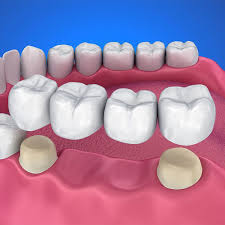
Dental bridges provide a significant benefit in preserving facial structure, as tooth loss can lead to jawbone loss and gradually change facial appearance. By filling the gap left by missing teeth, dental bridges support surrounding tissues and help maintain the natural contour of the face. With regular brushing, flossing, and routine dental visits, dental bridges can remain effective for a long time, offering a reliable solution for restoring dental function and appearance.
When Is a Dental Bridge the Right Choice?
A dental bridge is the best option for replacing one or more missing teeth, offering a durable, fixed solution that restores both function and appearance. It is especially suitable for individuals with healthy teeth or implants next to the gap to support the bridge. Dental bridges fill the space, help maintain proper bite alignment, improve chewing efficiency, and contribute to a natural-looking smile.
Key Situations Where a Dental Bridge Is Recommended:
- A dental bridge may be an appropriate solution in situations where one or more teeth are missing in a row.
- Adjacent teeth are strong enough to support the bridge, or a fixed alternative to dentures is preferred.
- It can help restore chewing and speaking abilities, prevent neighboring teeth from shifting into empty spaces, and quickly improve smile aesthetics.
- This option may be suitable if dental implants are not viable due to bone loss or medical concerns; if it offers a cost-effective replacement; or if maintaining facial structure and preventing a sunken appearance are desired.
- Overall, healthy gums and supporting teeth are essential for the success of a dental bridge.
Enjoy the comfort and confidence of a natural-looking smile with a dental bridge that feels just like your own teeth. Eat, speak, and smile without worry every day. Book an appointment with our prosthodontists near you for a personalized evaluation and expert care.
Book an appointment
Dental Bridge Types
Dental bridges can be categorized into four primary types, each tailored to address specific clinical scenarios based on factors such as the position of the missing tooth, the state of adjacent teeth, and the patient’s overall oral health.
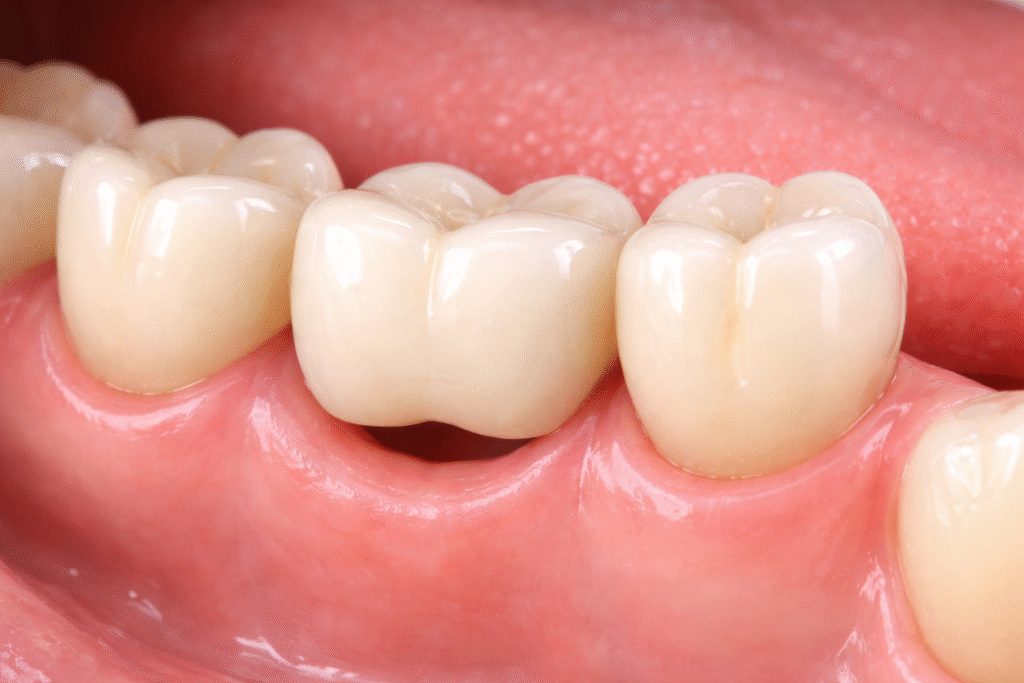
1. Traditional Dental Bridge: The traditional dental bridge is a common option for tooth replacement. It consists of one or more artificial teeth, called pontics, secured by dental crowns bonded to the natural teeth next to the gap, known as abutment teeth. This bridge is durable and suitable for replacing teeth in areas with significant chewing force, such as molars. However, the procedure requires reshaping the adjacent healthy teeth to fit the crowns, which is an important consideration.
The process for a traditional dental bridge typically requires two to three visits. During the initial visit, the dentist prepares the abutment teeth by removing a small amount of enamel to accommodate the crowns. Impressions are then taken to design a custom bridge that fits accurately in the mouth.
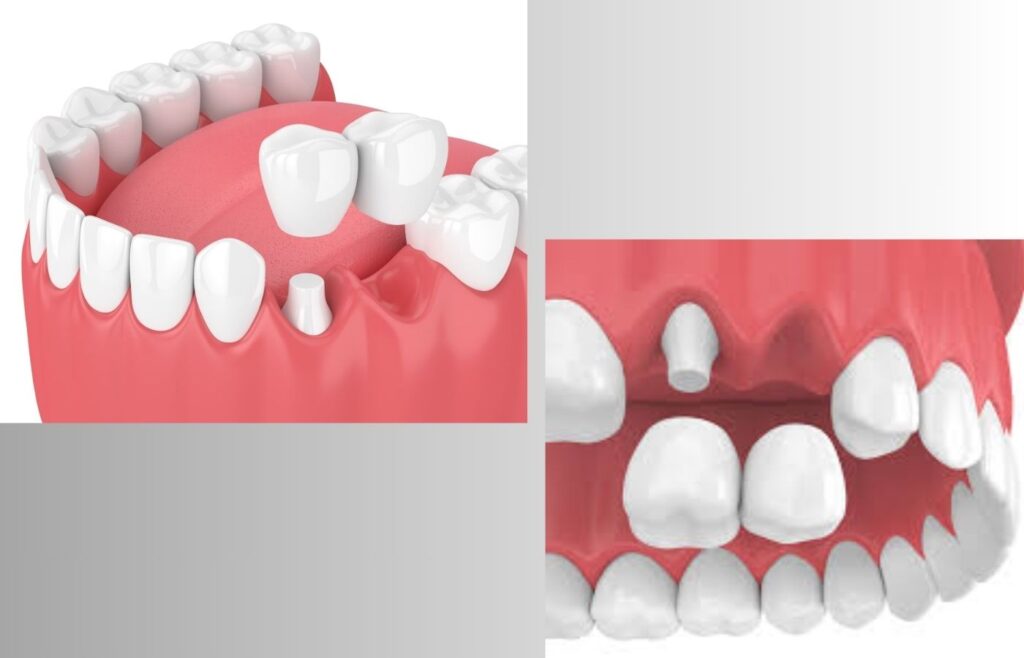
2. Cantilever Dental Bridge: A cantilever bridge is utilized in situations where only one adjacent tooth is present next to the gap left by a missing tooth. Unlike bridges supported on both sides, this type is anchored to a single abutment tooth. With proper case selection, careful placement, and good oral hygiene practices, a cantilever bridge can still provide a functional and aesthetic solution for replacing missing teeth in specific situations.
It is typically recommended for areas with lower biting forces, such as the front teeth, because a single support may experience increased stress over time.
A notable advantage of a cantilever bridge is that it requires the preparation of only one supporting tooth, making it a more conservative alternative to traditional bridges.
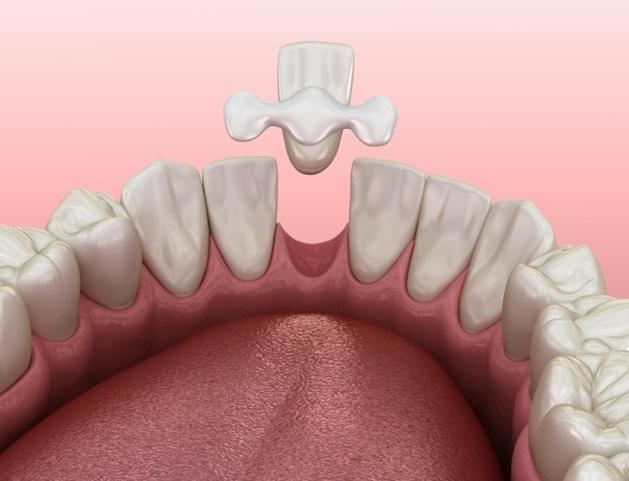
3. Maryland Dental Bridge (Resin-Bonded Bridge): A resin-bonded bridge, commonly called a Maryland bridge, uses a metal or ceramic framework with wings attached to the back surfaces of the adjacent teeth. This design reduces the need for extensive reshaping of the supporting teeth, offering a more conservative option than traditional bridges. Maryland bridges are typically used to replace front teeth where chewing forces are lower, though they may offer less strength and durability than traditional bridges in areas exposed to greater pressure.
The process for a Maryland bridge is straightforward and usually involves fewer appointments than traditional bridges. It often requires little or no preparation of the surrounding teeth, and impressions are taken to create a custom bridge that matches the color and shape of adjacent teeth. Once completed, the wings are attached with a durable dental adhesive, providing a secure and minimally invasive restoration.
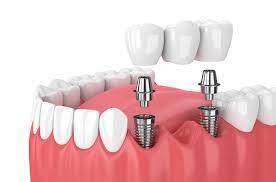
4. Implant-Supported Dental Bridge: This type of bridge is anchored by dental implants rather than natural teeth. The implants are surgically inserted into the jawbone to provide stable, secure support for the bridge. Implant-supported bridges are durable and do not depend on adjacent teeth, preserving their natural structure. These bridges are often recommended for individuals missing multiple consecutive teeth, though the treatment process may take longer and requires adequate bone density for implant placement.
Implant-supported bridges offer the benefit of not relying on adjacent natural teeth for support, thereby maintaining the integrity and health of those teeth. Additionally, they stimulate the jawbone, aiding in the prevention of bone loss, which helps retain facial structure and reduces the risk of a sunken appearance.
Cost of Dental Bridges
The price of a dental bridge differs significantly based on specific requirements, the condition of oral health, and the selected treatment approach. As each patient’s situation is unique, the ultimate cost is determined by various clinical considerations and material-related elements. Identifying these factors can assist in making an informed choice and organizing the treatment effectively.
Key Factors That Affect the Cost:
- Type of Dental Bridge: Traditional bridges, cantilever bridges, Maryland bridges, and implant-supported bridges vary in cost, with implant-supported bridges typically being more costly because of the surgical procedures and materials involved.
- Material Used: Bridges composed of high-quality materials such as zirconia or all-ceramic generally have a higher cost compared to porcelain-fused-to-metal options, as they offer enhanced aesthetics and greater durability.
- Number of Missing Teeth: The cost increases as the length of the bridge rises, which is directly impacted by the number of teeth requiring replacement.
- Condition of Adjacent Teeth: The overall cost may increase if the supporting teeth need treatments such as fillings, root canal therapy, or crowns.
- Need for Additional Procedures: Dental procedures like tooth extraction, gum treatment, or bone grafting required for implants can have a notable impact on the overall cost.
The cost of dental bridges can vary, but they serve as an effective solution for restoring dental function, addressing aesthetic concerns, and supporting overall oral health in the long term.
Dental Implants vs. Dental Bridges
| Aspect | Dental bridges | Dental Implants |
| Definition | A dental restoration designed to replace missing teeth by securing them to neighboring natural teeth. | A titanium post inserted into the jawbone serves as an artificial tooth root. |
| Support | Stabilized with the support of adjacent teeth. | Supported by the jawbone |
| Procedure | Less invasive, no surgery required | Surgical procedure required to place the implant |
| Treatment Time | Usually completed in 2–3 visits | Takes several months due to healing. |
| Durability | Lasts around 10–15 years with proper care | Can last 20+ years or even a lifetime with proper care |
| Appearance | Natural-looking | Highly natural look and feel |
| Maintenance | Requires special flossing under the bridge | Maintained like natural teeth |
| Cost | Generally, more affordable initially | Higher initial cost but long-term investment |
| Chewing Efficiency | Good, but slightly less than natural teeth | Excellent, similar to natural teeth |
Dental Bridge procedure
A dental bridge is a standard restorative procedure designed to replace one or more missing teeth by filling the gap between existing teeth. This treatment is generally carried out over several stages.
1. Initial Consultation & Examination
The dentist begins by assessing your oral health, examining the gap left by missing teeth, and determining whether a dental bridge is a suitable option. Diagnostic procedures such as X-rays or scans may be performed to evaluate the condition of the supporting teeth and surrounding bone.
2. Tooth Preparation
The neighboring teeth, called abutment teeth, are reshaped by removing a small amount of enamel to allow placement of crowns that support the bridge.
3. Impression & Shade Selection
A dental impression is taken to design a customized bridge that fits accurately, and the dentist selects an appropriate shade to ensure it blends naturally with your existing teeth.
4. Temporary Bridge Placement
A temporary bridge is positioned to safeguard the prepared teeth and gums during the fabrication process of the permanent bridge in a dental laboratory.
5. Permanent Bridge Placement
After the custom bridge is completed, the temporary bridge is removed. The new bridge is precisely fitted, adjusted for comfort and bite, and securely cemented in place.
6. Final Adjustments & Follow-Up
The dentist evaluates your bite and overall comfort, making adjustments as necessary. Additional appointments may be arranged to confirm that the bridge is operating as intended.
How to Take Care of Dental Bridges
Maintaining your dental bridge properly is crucial for its durability and for promoting overall oral health. Consider adhering to these key guidelines.
1. Maintain Good Oral Hygiene
It is recommended to brush your teeth twice daily using a soft-bristle toothbrush and fluoride toothpaste, ensuring thorough cleaning around the area surrounding the bridge to minimize plaque accumulation.
2. Clean Under the Bridge
Food particles may become lodged beneath the bridge. To maintain cleanliness, use floss threaders, super floss, or interdental brushes to thoroughly clean under the artificial tooth (pontic) and around the adjacent supporting teeth.
3. Use an Antibacterial Mouthwash
Use an antibacterial mouthwash daily to minimize bacteria and support gum health.
4. Avoid Hard & Sticky Foods
Avoid consuming items such as hard candies, ice, and sticky sweets, as these can potentially harm or dislodge the bridge.
5. Don’t Use Teeth as Tools
It is advisable to avoid using your teeth to open bottles or tear packages, as this may place excessive pressure on the bridge.
6. Visit Your Dentist Regularly
It is important to schedule regular dental check-ups and cleanings to monitor the condition of the dental bridge and address any potential issues promptly.
7. Address Problems Immediately
If you experience discomfort, looseness, or sensitivity, it is advisable to contact your dentist promptly to help prevent potential complications.