Orthodontic splinting at Oracle Dental Care in Vijayawada. Orthodontic splinting is an advanced dental procedure designed to stabilize loose or misaligned teeth by bonding them together for improved strength, function, and comfort. At Oracle Dental Care in Vijayawada, expert orthodontic splinting treatments are offered, utilizing modern techniques and high-quality materials to promote long-term oral health. As the first ISO-certified dental clinic in Vijayawada, our aim is to provide dental care that is safe, standardized, and focused on the needs of the patient.
Best dental clinic for orthodontic treatments in Vijayawada & what is orthodontic splinting?
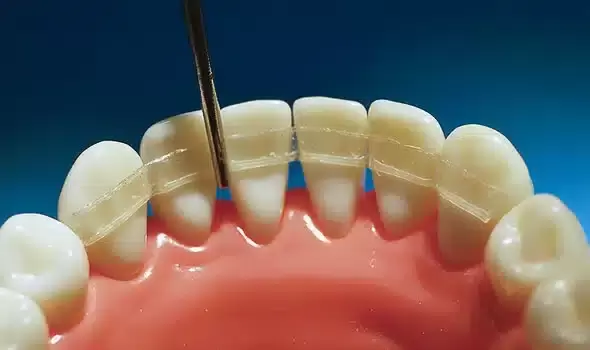
Best dental clinic for orthodontic treatments in Vijayawada. Orthodontic splinting is a procedure that involves connecting two or more teeth with a splint composed of fiber, composite resin, or wire. This approach aids in distributing biting forces evenly across the teeth, thereby reducing mobility and increasing stability. It is typically advised for patients who have loose teeth as a result of orthodontic movement, gum disease, or trauma, or for post-orthodontic treatment support.
This treatment is frequently advised when teeth have become loose due to gum disease, trauma, orthodontic movement, or excessive biting forces. Rather than opting for tooth extraction or immediately resorting to invasive procedures, orthodontic splinting provides a conservative and effective method that helps preserve natural teeth. Maintaining natural teeth is important, as no alternative fully replicates their appearance, feel, and function.
Orthodontic splinting serves a preventive function, benefiting even slightly mobile teeth to prevent further issues. This approach aids in maintaining oral balance both functionally and aesthetically, while also preserving one’s natural smile and supporting comfort in chewing and speaking.
Who Is the Ideal Candidate for Orthodontic Splinting?
Orthodontic splinting is not universally applicable, but for patients who meet the criteria, it can significantly enhance comfort, function, and long-term oral health. The most suitable candidates are those whose teeth require additional support but can be maintained with effective stabilization. Determining the appropriateness of orthodontic splinting involves considering various clinical and lifestyle factors.
Patients with Loose or Mobile Teeth
Orthodontic splinting is typically applied to individuals with loose or mobile teeth, often attributed to gum disease, trauma, or excessive biting forces, with mobility ranging from mild to moderate. The purpose of splinting is to stabilize these teeth by distributing pressure across multiple teeth, which helps prevent additional damage and discomfort.
Individuals with Gum (Periodontal) Disease
Individuals receiving treatment for periodontal disease may be suitable candidates for orthodontic splinting. This is because gum disease can weaken the tooth-supporting structures, resulting in tooth mobility. Splinting helps stabilize these teeth, providing the gums and bone with a better opportunity to heal following deep cleaning or other periodontal treatments. Additionally, it can enhance comfort during the recovery period.
Patients After Orthodontic Treatment
After braces or aligner treatment, some people may notice slight tooth movement, particularly if retainers are not consistently used. Orthodontic splinting can provide extra support to maintain tooth alignment and prevent any relapse, thereby helping to preserve the results of orthodontic procedures.
People with Bite Problems or Bruxism
Orthodontic splinting may be beneficial for individuals who experience bruxism, a condition characterized by teeth grinding or clenching. This condition exerts excessive biting forces that can strain teeth and make them more susceptible to movement. By distributing these forces evenly, splinting helps alleviate stress on specific teeth and provides protection against additional damage.
Adults with Trauma-Related Tooth Mobility
People who have experienced dental trauma from accidents or injuries are frequently suitable candidates for splinting. When the teeth remain viable but are unstable, orthodontic splinting offers the needed support as the surrounding tissues recover.
Patients Committed to Good Oral Hygiene
An appropriate candidate for orthodontic splinting is an individual prepared to maintain good oral hygiene and participate in regular dental appointments. The use of splints may slightly complicate cleaning, thus a strong commitment to oral care is crucial for achieving long-term success.
Who May Not Be Ideal for Splinting
Patients experiencing significant bone loss, untreated infections, or non-restorable teeth may not be ideal candidates for orthodontic splinting. In these situations, other treatment options might be suggested to enhance oral health outcomes.
An ideal candidate for orthodontic splinting is an individual with teeth that can be preserved, experiencing mild to moderate mobility, and who is dedicated to maintaining oral health. With appropriate diagnosis and care, orthodontic splinting can serve as an effective solution for preserving teeth.
Advantages of Orthodontic Splinting
Orthodontic splinting, while often viewed as a basic dental procedure, offers significant advantages beyond merely stabilizing teeth. It is essential in improving comfort, functionality, and self-assurance for patients with loose or unstable teeth. Conditions such as gum disease, trauma, or chronic bite issues can be effectively addressed with this practical and minimally invasive approach. Here is a concise summary of its primary benefits.
1. Improved Tooth Stability and Strength
Orthodontic splinting provides significant benefits, particularly in improving tooth stability. When a tooth becomes loose, it often endures chewing forces independently, which can exacerbate the issue. By connecting the weakened tooth to stronger adjacent teeth, splinting ensures that they function collectively as a unit. This approach distributes the load evenly, preventing any single tooth from being overburdened. As a result, actions such as chewing and biting regain a more natural feel.
2. Immediate Comfort and Pain Relief
Loose teeth often cause discomfort or pain, particularly during eating or speaking. Orthodontic splinting effectively minimizes unwanted tooth movement, thereby reducing irritation of the surrounding gums and ligaments. Patients frequently experience immediate relief after splinting because it prevents unpredictable tooth shifting, providing both physical comfort and psychological reassurance.
3. Preserves Natural Teeth
The focus of modern dentistry is on preserving natural teeth when feasible, and orthodontic splinting is aligned with this objective. Rather than opting for the extraction of loose teeth and replacing them with artificial alternatives, splinting aims to maintain the existing teeth for an extended period. Natural teeth typically provide superior function, sensation, and aesthetics compared to replacements, making splinting an effective approach for conserving teeth.
4.Supports Gum and Periodontal Healing
Orthodontic splinting is a beneficial approach for patients with gum disease, as it offers essential support during the healing process. By stabilizing teeth, it enables inflamed gums and supporting bone to recover more efficiently. This reduction in excessive movement fosters a more conducive environment for periodontal treatments to be effective, thereby enhancing long-term oral health outcomes.
5. Better Chewing and Speaking Ability
Loose teeth may hinder effective chewing and impact speech clarity. Orthodontic splinting helps reestablish balance in the mouth, enabling teeth to function properly once more. This treatment often allows patients to consume a broader range of foods and speak with greater confidence, eliminating concerns about discomfort or tooth movement.
6. Aesthetic and Psychological Benefits
Splints can enhance appearance by maintaining the correct alignment of teeth. Ensuring the stability of teeth can also increase confidence, reducing self-consciousness about smiling, laughing, or eating in public, which can positively affect overall quality of life.
7. Minimally Invasive and Cost-Effective
Orthodontic splinting is a minimally invasive and relatively cost-effective dental procedure. It involves less time in the dental chair, allows for quicker recovery, and, when paired with proper oral hygiene, offers enduring benefits.
Why Choose Oracle Dental Care for Orthodontic Splinting in Vijayawada?
Selecting an appropriate dental clinic for orthodontic splinting is crucial to the success of the treatment. Factors such as experience, precision, and patient care play significant roles in the stabilization of teeth, the preservation of a natural smile, and the maintenance of long-term oral health. Oracle Dental Care in Vijayawada is recognized for its focus on patient care, utilization of advanced techniques, and dedication to providing quality dental services.
Experienced and Skilled Dental Professionals
Oracle Dental Care is recognized for the expertise of its dental professionals. The procedure of orthodontic splinting involves a thorough assessment of tooth mobility, gum health, and bite alignment. The dentists at Oracle Dental Care possess significant experience in diagnosing and managing intricate dental conditions, which ensures accurate and effective splinting procedures. Their clinical expertise enables them to select the most appropriate type of splint for each patient, optimizing both comfort and outcomes.
Personalized Treatment Plans
Each patient has unique dental needs, and Oracle Dental Care emphasizes the importance of tailored treatment. Every orthodontic splinting case starts with a comprehensive consultation and examination. Based on these findings, a personalized treatment plan is developed to address the underlying causes of tooth mobility, rather than just the symptoms. This individualized approach contributes to improved outcomes and long-term stability.
Advanced Technology and High-Quality Materials
Oracle Dental Care in Vijayawada features contemporary dental technology designed to improve precision and patient comfort. The use of high-quality, biocompatible splinting materials ensures durability, strength, and a natural look. These advanced materials integrate well with teeth, offering support while maintaining aesthetic appeal.
Comfort-Focused and Patient-Friendly Care
Dental anxiety is frequently encountered, particularly with unstable or painful teeth. At Oracle Dental Care, ensuring patient comfort is prioritized by adhering to gentle treatment protocols, maintaining clear communication, and fostering a calm environment to provide a stress-free experience. Patients are informed of each step in the orthodontic splinting process to eliminate any uncertainties.
Comprehensive Dental Care Under One Roof
Orthodontic splinting is frequently most effective when used alongside other treatments, such as periodontal care, bite correction, or orthodontics. Oracle Dental Care provides a wide range of dental services in a single location, facilitating the management of overall oral health. This integrated method promotes improved coordination and enduring outcomes.
Trusted Dental Clinic in Vijayawada
Oracle Dental Care in Vijayawada is recognized for its ethical practices, clear communication, and consistent outcomes. The clinic is trusted by patients for its advanced treatments, straightforward guidance, and emphasis on long-term dental care, concentrating on the preservation of natural teeth and the improvement of overall quality of life.