
Mouth sores, also referred to as mouth ulcers or canker sores, are small and often painful lesions that form inside the mouth, potentially causing discomfort during activities such as eating, drinking, or speaking. Although these sores typically resolve on their own within one to two weeks, some individuals seek natural remedies to alleviate pain and promote faster healing. One such remedy is glycerine, which is known for its moisturizing and soothing properties.
What Are Mouth Sores?
Mouth sores are small ulcers that commonly develop on the inner cheeks, lips, tongue, gums, or roof of the mouth. While they are not contagious, they may cause discomfort and can affect daily activities.
Common Symptoms of Mouth Sores
Pain or Burning Sensation
An initial indicator of a mouth sore is often a slight tingling or burning sensation. As the sore progresses, it may cause pain, particularly during activities such as eating, drinking, brushing teeth, or speaking. The level of discomfort can vary from mild irritation to significant pain, influenced by the ulcer’s size and location.
Redness Around the Sore
Mouth sores are often characterized by a red, inflamed border, which indicates the body’s immune response to the damaged tissue. The affected region may also exhibit tenderness and sensitivity to touch.
White or Yellow Center
A common mouth sore features a white, yellow, or grayish center covered by a thin layer of tissue, typically surrounded by a red border. While its appearance might resemble an infection, the white or yellow coloration is a normal aspect of the healing process.
Difficulty Eating Spicy or Acidic Foods
Foods that are spicy, salty, acidic, or hot have the potential to irritate sores and exacerbate discomfort. Items such as citrus fruits, tomatoes, pickles, and spicy dishes may lead to a stinging or burning sensation, which can make eating unpleasant. Consequently, individuals often opt for soft and bland foods while waiting for the ulcer to heal.
Discomfort While Brushing or Talking
Sores on the tongue, inner cheeks, lips, or gums can cause discomfort during daily activities. Actions such as brushing teeth may aggravate the sore, and frequent mouth movements, including talking or smiling, can heighten the discomfort. In certain instances, the associated pain might hinder effective oral hygiene, potentially prolonging the healing process.
When Should You Be Concerned?
Mouth sores typically heal on their own within 7 to 14 days without causing lasting effects. However, recurring sores, those persisting for more than two weeks, becoming unusually large, or causing significant pain may indicate a potential underlying health issue.
Recurring or long-lasting mouth sores may be associated with:
- Vitamin or mineral deficiencies, such as Vitamin B12, iron, or folic acid deficiency.
- Hormonal changes.
- Stress or a weakened immune system.
- Food allergies or sensitivities. Viral or bacterial infections.
- Gastrointestinal conditions, such as Crohn’s disease or celiac disease.
- Certain medications or medical conditions.
If you notice frequent mouth ulcers, sores that do not heal, excessive swelling, bleeding, or difficulty swallowing, it is important to seek professional dental care.
What Is Glycerine?
Glycerine, also known as glycerol, is a transparent, colorless, and odorless liquid recognized for its effective moisturizing capabilities. It is frequently incorporated into oral care items, cosmetic formulations, and pharmaceutical products due to its ability to retain moisture and safeguard delicate tissues.
Glycerine, when applied to mouth sores, creates a protective layer over the area, which helps minimize irritation, maintains moisture, and may support comfort during the healing process.
Can Glycerine Help with Mouth Sores?
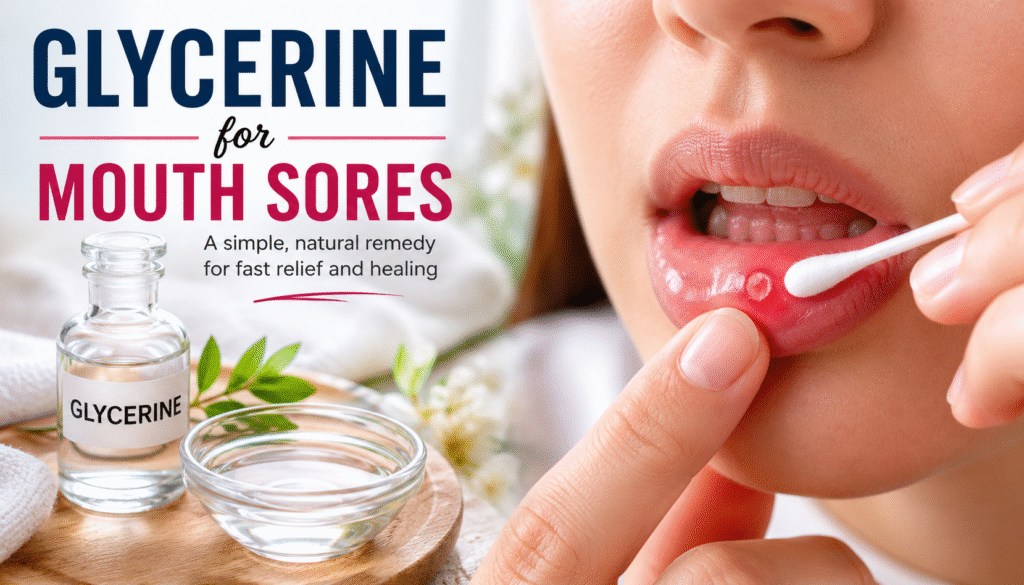
Yes, glycerine can provide temporary relief from mouth sores. While glycerine does not directly heal the ulcer, it alleviates discomfort by moisturizing the area and shielding the sore from further irritation due to food, beverages, or friction. Its ability to act as a moisture barrier supports relief during the natural healing process.
Mouth sores can lead to dryness, irritation, and heightened sensitivity in the affected tissue, which may cause discomfort during everyday activities like eating, drinking, speaking, or brushing teeth due to contact with the ulcer. Glycerine helps by creating a thin protective layer over the sore, minimizing friction between the ulcer and substances inside the mouth, thereby alleviating discomfort during these activities.
Glycerine is beneficial due to its capacity to retain moisture, as maintaining a hydrated environment can support the healing of damaged tissues and prevent excessive dryness. Dry mouth sores tend to become more irritated and painful, whereas adequate hydration may help minimize discomfort and facilitate tissue recovery.
Glycerine application is commonly observed to reduce the burning or stinging sensation associated with mouth sores, potentially alleviating discomfort and making activities such as eating, drinking, speaking, and oral hygiene more manageable. However, this relief is typically short-lived, and glycerine is best regarded as a supplementary measure rather than a substitute for professional dental treatment.
Glycerine does not address the root cause of mouth sores, which may result from factors such as accidental bites, stress, vitamin deficiencies, hormonal changes, food sensitivities, infections, certain medications, or underlying medical conditions. Without addressing these underlying causes, the sores may persist or recur despite the temporary relief that glycerine may offer.
At Oracle Dental Care, our experienced dentists carefully evaluate mouth sores to determine their cause and recommend the most appropriate treatment. As one of the best dental clinics in Vijayawada and the first ISO-certified dental clinic in Vijayawada. We aim to deliver high-quality dental care to support your oral health and ensure a comfortable, healthy smile.
Benefits of Using Glycerine for Mouth Sores
1. Soothes Pain and Irritation
Glycerine is effective in temporarily alleviating the pain and irritation associated with mouth sores. When applied to the affected area, it creates a thin layer over the sore, reducing friction between the ulcer and surfaces like teeth, the tongue, food, or a toothbrush, which are typical sources of discomfort. This protective barrier can make activities such as eating, drinking, speaking, and brushing teeth more manageable. Although glycerine does not fully eliminate pain, it can significantly minimize irritation and enhance comfort during the healing process.
2. Keeps the Ulcer Moist
Glycerine is a natural humectant, which means it attracts and retains moisture. Keeping a mouth sore moist is important because dry ulcers tend to become more painful and may take longer to heal. By maintaining moisture around the affected tissue, glycerine helps create a healthier environment for the body’s natural healing process. It also prevents the ulcer from becoming cracked or excessively dry, reducing further irritation and making the healing process more comfortable.
3. Forms a Protective Barrier
Glycerine offers the advantage of forming a protective layer over mouth sores, serving as a barrier against external irritants like spicy foods, acidic fruits, salty snacks, hot beverages, and rough-textured items that may aggravate pain or delay healing. By reducing direct exposure to these irritants, it helps alleviate discomfort and supports uninterrupted tissue recovery, particularly benefiting individuals who experience pain when eating or drinking.
4. Easily Available
Glycerine is an accessible and cost-effective product that can be obtained without a prescription from pharmacies, medical stores, and supermarkets. It is frequently included as an ingredient in oral care products such as mouth gels, mouthwashes, and toothpaste. Due to its affordability and availability, glycerine is commonly utilized as a home remedy to offer temporary relief from minor mouth sores.
5. Gentle on Oral Tissues
When used as instructed, glycerine is typically considered safe and gentle for the delicate tissues within the mouth. It is generally well tolerated by most individuals and is less likely to cause irritation or discomfort compared to certain stronger medications. Its mild properties make it a suitable option for providing relief without harming the sensitive lining of the mouth. However, it is essential to use food-grade or medicinal glycerine and adhere to the provided guidelines. If symptoms such as increased irritation, swelling, or an allergic reaction occur, discontinue use and seek advice from a dentist promptly.
How to Use Glycerine for Mouth Sores
If you’re using glycerine for temporary relief, follow these simple steps:
- Clean your hands thoroughly, then dip a sterile cotton swab into food-grade or medicinal glycerine.
- Carefully apply a small amount directly to the mouth sore, allowing it to sit for a few minutes without immediate rinsing.
- Refrain from eating or drinking for approximately 20 to 30 minutes following the application.
Safety Tips When Using Glycerine for Mouth Sores
Glycerine is commonly regarded as safe for providing temporary relief from mouth sores when used appropriately. Nonetheless, as with any home remedy, it is important to exercise caution to prevent irritation or unintended side effects. Adhering to recommended safety guidelines can promote effective use while safeguarding oral health.
1. Use Only Food-Grade or Medicinal Glycerine
Opt for glycerine labeled as food-grade or medicinal, specifically intended for oral or medical applications. Refrain from using industrial or cosmetic-grade glycerine, as these variants may include impurities or components unsuitable for oral use. Checking the product label and sourcing glycerine from reputable pharmacies or medical stores can support safe usage.
2. Do Not Apply Large Amounts
A small amount of glycerine is sufficient to cover the mouth sore, as applying more than necessary does not accelerate healing and may cause stickiness or discomfort. A thin layer effectively creates a protective coating to maintain moisture in the ulcer and minimizes the risk of ingesting excess product.
3. Avoid Swallowing Excessive Quantities
While small amounts of glycerine used during application are typically harmless, swallowing large quantities should be avoided, as it may lead to stomach discomfort or digestive upset in certain individuals. After applying glycerine, it is recommended to let it remain on the affected area for a few minutes and to refrain from eating or drinking immediately to allow it to work efficiently.
4. Stop Using It If Irritation Increases
Glycerine is generally considered mild for the mouth; however, individual responses may vary. If symptoms such as increased pain, redness, swelling, burning, or signs of an allergic reaction occur after using glycerine, its use should be stopped immediately. Ongoing irritation could suggest sensitivity to the product or another underlying issue that may need professional assessment.
5. Keep It Out of Reach of Children
Glycerine should be stored in a cool, dry location and kept out of reach of children to prevent accidental ingestion. If being used for a child with mouth sores, it must be applied only under the supervision and guidance of a parent, guardian, or healthcare professional.
6. Consult a Dentist for Persistent or Severe Mouth Sores
Glycerine may offer temporary relief, but it should not replace professional dental care. If a mouth sore persists for more than two weeks, recurs frequently, grows unusually large, causes significant pain, or is accompanied by symptoms such as fever or swelling, it is important to consult a dentist promptly. Persistent or recurring sores could indicate an underlying issue, such as a dental condition, nutritional deficiency, infection, immune disorder, or another medical concern that needs accurate diagnosis and treatment.
Are There Any Side Effects?
The majority of individuals typically do not encounter side effects when glycerine is used appropriately; however, certain people might observe:
- Mild irritation
- Temporary discomfort
- Allergic reactions (rare)
When Should You Visit a Dentist?
While most mouth sores heal within 7 to 14 days, you should consult a dentist if:
- A sore that persists for more than two weeks.
- Recurrent mouth ulcers.
- Unusually large or highly painful ulcers,
- Difficulty with eating or swallowing, sores accompanied by fever or swelling, or ulcers that repeatedly return despite home treatment may indicate a need for further evaluation.
Persistent mouth sores should not be disregarded, as they could indicate an underlying dental or medical condition.
Why Choose Oracle Dental Care?
Oracle Dental Care is recognized as a leading dental clinic in Vijayawada and the first ISO-certified dental clinic in the city. The facility employs experienced dental professionals who utilize advanced diagnostic methods and tailored treatment strategies to support patients in maintaining optimal oral health.
At Oracle Dental Care, we provide:
Comprehensive Oral Examinations
Each effective treatment starts with a comprehensive examination, during which the dental team evaluates the mouth, gums, tongue, cheeks, lips, and other oral tissues to identify the cause of mouth sores. Additionally, they assess the patient’s medical history, lifestyle choices, medications, and dietary habits to pinpoint potential factors contributing to recurring ulcers. This thorough assessment helps in detecting any underlying conditions and determining the most suitable course of treatment.
Advanced Diagnosis for Mouth Sores and Oral Lesions
Mouth sores can have various causes, ranging from minor injuries to infections, nutritional deficiencies, autoimmune disorders, or more serious oral diseases. Accurate diagnosis using advanced techniques is important for determining the type and cause of the sores, enabling appropriate treatment and reducing the risk of complications or recurrence.
Personalized Treatment Plans
Each patient has distinct oral health requirements, prompting the use of individualized treatment plans rather than a universal approach. Following a diagnosis, dentists develop a treatment plan specifically designed to address the patient’s condition. Whether the treatment involves medication, dietary adjustments, improved oral hygiene practices, or management of an underlying medical issue, care is provided based on the patient’s specific needs.
Modern Dental Technology
Oracle Dental Care utilizes modern dental technology to facilitate precise diagnoses and effective treatments. The advanced equipment enhances the evaluation of oral health, promoting safer, more comfortable, and efficient treatment processes. By integrating advanced technology with professional expertise, the practice aims to provide high-quality dental care to all patients.
Experienced and Caring Dental Professionals
The dental team is composed of qualified and experienced professionals dedicated to supporting patients in achieving optimal oral health. They address concerns such as mouth sores with care, providing clear explanations of treatment steps and answering any questions. Their approach prioritizes personalized attention to ensure patients feel at ease throughout their dental experience.
High Standards of Hygiene and Patient Safety
Ensuring patient safety is a top priority at Oracle Dental Care. As the first ISO-certified dental clinic in Vijayawada, the clinic adheres to stringent infection control protocols and complies with international sterilization standards. By utilizing sterilized instruments, advanced disinfection methods, and high-quality materials, a clean, safe, and hygienic clinical environment is maintained, thereby reducing the risk of infection and fostering patient confidence in the care provided.
Comfortable and Patient-Friendly Care
Every dental visit is designed to be a positive experience, with the clinic providing a welcoming and calm environment aimed at helping patients feel at ease. From arrival to the completion of treatment, the staff and dental professionals prioritize creating a pleasant experience through gentle techniques and clear communication to ensure patient comfort.
We Treat the Root Cause of Your Mouth Sores
Mouth sores may arise from various causes, such as nutritional deficiencies, stress, accidental injuries, infections, hormonal fluctuations, food allergies, specific medications, or underlying oral and medical conditions. While symptom management can offer temporary relief, determining and addressing the underlying cause is crucial for preventing recurrence.
At Oracle Dental Care, the team conducts thorough evaluations to identify the cause of mouth sores and recommends appropriate treatments aimed at relieving pain, promoting healing, and minimizing recurrence. The focus extends beyond addressing current sores to supporting long-term oral health and overall well-being.
For persistent or recurring mouth sores, it is advisable to seek professional evaluation. Consider visiting Oracle Dental Care, an ISO-certified dental clinic in Vijayawada, for a thorough diagnosis and advanced treatment options aimed at addressing your dental health needs.