Summer dental tips: How Dehydration Affects Oral Health: Hot weather can influence not only the body but also oral health. Increased fluid loss through sweating during summer, coupled with insufficient water intake, may result in dehydration. A common early indicator of dehydration is dry mouth, which can heighten the likelihood of various dental issues. Saliva is essential for maintaining oral health as it helps remove food particles, neutralize acids, and manage bacteria levels. Reduced saliva production can create an environment where harmful bacteria multiply more rapidly, potentially impacting oral health.
Dehydration can lead to common dental issues such as bad breath, tooth sensitivity, dry lips, mouth sores, gum irritation, and even cavities.
Consuming sugary soft drinks, energy drinks, or excessive caffeine during summer can elevate the risk of tooth decay, as these beverages may reduce hydration levels and contribute to increased acid exposure on teeth. Children and elderly individuals are particularly susceptible to dehydration-related oral health issues in hot weather.
Common Signs of Dehydration Affecting Oral Health
- Dry or sticky mouth
- Bad breath
- Cracked lips
- Increased tooth sensitivity
- Bleeding or irritated gums
- Difficulty swallowing
- Mouth ulcers or sores
Summer Dental Tips to Prevent Dehydration
1. Drink Plenty of Water : Water supports saliva production, helping to naturally clean and refresh the mouth. Staying adequately hydrated throughout the day is an easy and effective way to support oral health, particularly during the summer.
2. Limit Sugary and Acidic Drinks: Regular consumption of soft drinks, sports drinks, and packaged juices may contribute to enamel erosion and a higher likelihood of cavities. Opting for water, fresh fruits, or other healthier beverage alternatives is advisable.
3. Eat Hydrating Foods: Incorporate water-rich fruits and vegetables like watermelon, cucumber, oranges, and strawberries into your diet, as they contribute to maintaining hydration for both your body and mouth.
4. Maintain Proper Oral Hygiene: Maintain healthy teeth and gums during the summer by brushing twice a day, flossing regularly, and using a mouthwash recommended by your dentist.
Oracle Dental Care is an ISO-certified dental clinic in Vijayawada, providing advanced and comfortable dental services for patients across all age groups. With a skilled dental team, the clinic delivers personalized treatments utilizing modern technology and adhering to high-quality care standards. Services range from preventive care to advanced procedures, aimed at supporting patients in maintaining oral health throughout the year.
Dry Mouth During Summer – Causes, Symptoms & Treatment
Dry mouth is a prevalent oral health issue often encountered during the summer months. Factors such as hot weather, increased sweating, and inadequate water intake can lead to reduced saliva production, resulting in a dry and uncomfortable mouth. Saliva plays a crucial role in supporting oral health by aiding in the removal of bacteria, protecting tooth enamel, and keeping the mouth hydrated. A decline in saliva levels can elevate the likelihood of dental concerns.
Dry mouth during the summer is often caused by dehydration, with additional factors such as prolonged outdoor exposure, excessive intake of caffeine or soft drinks, and the use of certain medications also playing a role. If left unaddressed, this condition may result in complications like bad breath, tooth decay, gum disease, oral infections, and challenges with eating or speaking.
Why Drinking More Water Protects Your Teeth in Summer
Staying hydrated during summer is essential for overall health, including the maintenance of healthy teeth and gums. Hot weather can cause increased sweating, leading to potential dehydration as water levels in the body decrease. A common early sign of dehydration is reduced saliva production in the mouth, which may contribute to various oral health issues. Consuming sufficient water throughout the day supports oral health by promoting saliva production and maintaining a clean and fresh mouth.
Saliva is essential for maintaining oral health as it aids in removing food particles, neutralizing acids, regulating bacteria, and reinforcing tooth enamel. Staying hydrated by drinking water supports natural saliva production, which can help lower the risk of cavities, bad breath, gum infections, and tooth sensitivity, particularly in warmer seasons.
Foods That Help Hydrate Your Mouth
- Watermelon
- Cucumber
- Oranges
- Strawberries
- Coconut
- water Leafy vegetables
Preventive dental care and healthy oral habits are promoted throughout the year. As an ISO-certified dental clinic in Vijayawada, advanced dental treatments and personalized care are provided to support patients in maintaining strong and healthy smiles.
The experienced dental team emphasizes educating patients on simple lifestyle practices, such as staying properly hydrated, which can play a key role in improving oral health. During the summer, prioritizing hydration by increasing water intake is a simple and effective way to support teeth, gums, and overall oral health.
Can Summer Heat Cause Bad Breath?
Summer heat may contribute to bad breath, or halitosis, as increased sweating during hot weather can lead to dehydration if adequate water intake is not maintained. Dehydration reduces saliva production, resulting in a dry mouth. Saliva plays a crucial role in oral health by removing bacteria, food particles, and acids. Reduced saliva levels allow bacteria to multiply more rapidly, potentially causing unpleasant odors and bad breath.
Engaging in summer habits like consuming sugary soft drinks, excessive caffeine, spicy foods, and neglecting proper oral hygiene can contribute to worsening bad breath. Extended periods spent outdoors or frequent travel during summer might lead to increased mouth dryness and an unpleasant odor. Additionally, persistent bad breath can sometimes result from factors such as gum infections, tooth decay, or the presence of bacteria on the tongue.
Professional dental checkups can help identify hidden causes of bad breath such as cavities or gum disease.
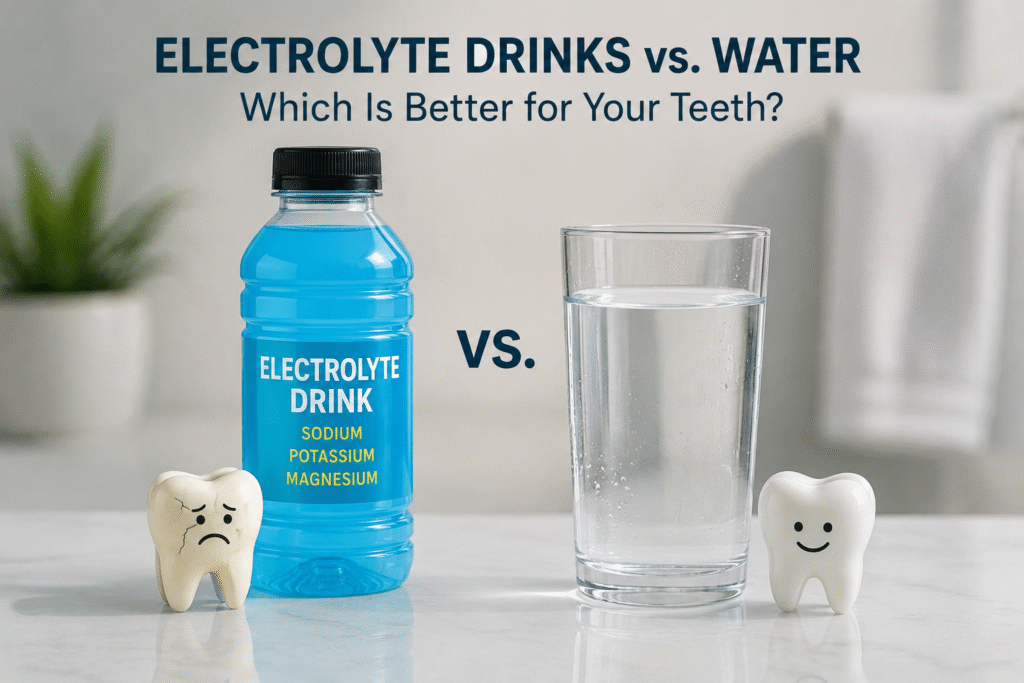
Electrolyte Drinks vs. Water – Which Is Better for Your Teeth?
During the summer, staying hydrated is important for supporting both general health and oral health. Some individuals opt for electrolyte drinks, sports drinks, or flavored beverages to stay refreshed in hot weather, as these can aid in replenishing minerals lost through sweating. However, these beverages may not always be ideal for dental health, with water being the most beneficial and safest option for preserving oral well-being.
Electrolyte drinks are formulated to restore minerals like sodium, potassium, calcium, and magnesium lost during heavy sweating or rigorous physical activity. However, numerous commercially available electrolyte and sports drinks include significant levels of sugar, artificial flavors, and acids, which may contribute to tooth enamel erosion, increased oral acidity, and a heightened risk of cavities and tooth sensitivity. Consistently consuming these beverages without adequate oral hygiene may have detrimental effects on dental health over time.
Water supports saliva production, naturally cleanses the mouth, and protects teeth without contributing to acid damage. Adequate water intake during the summer helps keep the mouth hydrated, lowering the likelihood of dry mouth, bad breath, and bacterial growth. In contrast to sugary beverages, water lacks corrosive acids and sugars that can harm tooth enamel.
How Electrolyte Drinks Affect Your Teeth
The electrolyte drinks affect your teeth
High Sugar Content: Electrolyte drinks often include added sugars, which can promote the growth of bacteria in the mouth. These bacteria may produce acids that contribute to tooth decay and the formation of cavities.
Acidic Nature: Sports and electrolyte drinks tend to be acidic, which may contribute to the gradual erosion of tooth enamel and heightened tooth sensitivity.
Increased Risk of Dry Mouth: Certain flavored beverages might be less effective at hydrating the mouth compared to plain water, particularly when consumed in large amounts.
Frequent Sipping Can Harm Teeth: Consuming electrolyte beverages gradually over extended periods increases the duration that teeth are exposed to acids and sugars.
Benefits of Drinking Water for Oral Health
- Helps Maintain Saliva Production
- Washes Away Food Particles and Bacteria
- Prevents Bad Breath
- Protects Tooth Enamel
- Supports Overall Gum Health
When Are Electrolyte Drinks Helpful?
- Electrolyte drinks may be beneficial in certain situations such as:
- Intense workouts or sports activities.
- Excessive sweating during extreme heat.
- Dehydration caused by illness or fever Long outdoor activities.
However, they should be consumed in moderation and not replace regular water intake completely.
Tips to Protect Your Teeth While Drinking Electrolyte Beverages
- Opt for low-sugar or sugar-free alternatives when available.
- Avoid prolonged sipping.
- Rinse your mouth with water after consuming beverages to remove acids and sugars.
- Use a straw to minimize direct contact with teeth.
- Delay brushing for at least 30 minutes after consuming acidic drinks.
Which Is Better for Your Teeth?
Water serves as an optimal choice for daily hydration and oral health, as it helps keep the mouth clean, hydrated, and safeguarded without introducing sugar or acids to the teeth. While electrolyte drinks can be beneficial on occasion, particularly following intense physical activity, overconsumption without adequate oral hygiene may have adverse effects on dental health.
Oracle Dental Care educates patients on the relationship between hydration and oral health, offering advanced preventive and restorative dental care with modern technology and personalized treatment methods. As an ISO-certified dental clinic in Vijayawada, the clinic’s skilled dental team emphasizes promoting healthy practices to maintain oral health year-round.
This summer, prioritize water as your primary source of hydration and practice proper oral hygiene to support the health, strength, and protection of your teeth.