Dental screening and oral prophylaxis is a preventive examination designed to identify potential oral health issues in their early stages. These screenings enable dentists to detect cavities, gum disease, oral infections, and other dental conditions promptly. Early detection helps safeguard oral health and minimizes the need for more complex and costly treatments later on.
Dental issues often progress quietly without obvious symptoms, and by the time pain or discomfort occurs, the problem may have already advanced. Regular dental check-ups play a key role in maintaining oral health and ensuring that potential concerns are identified and managed early.
Understanding Oral Prophylaxis
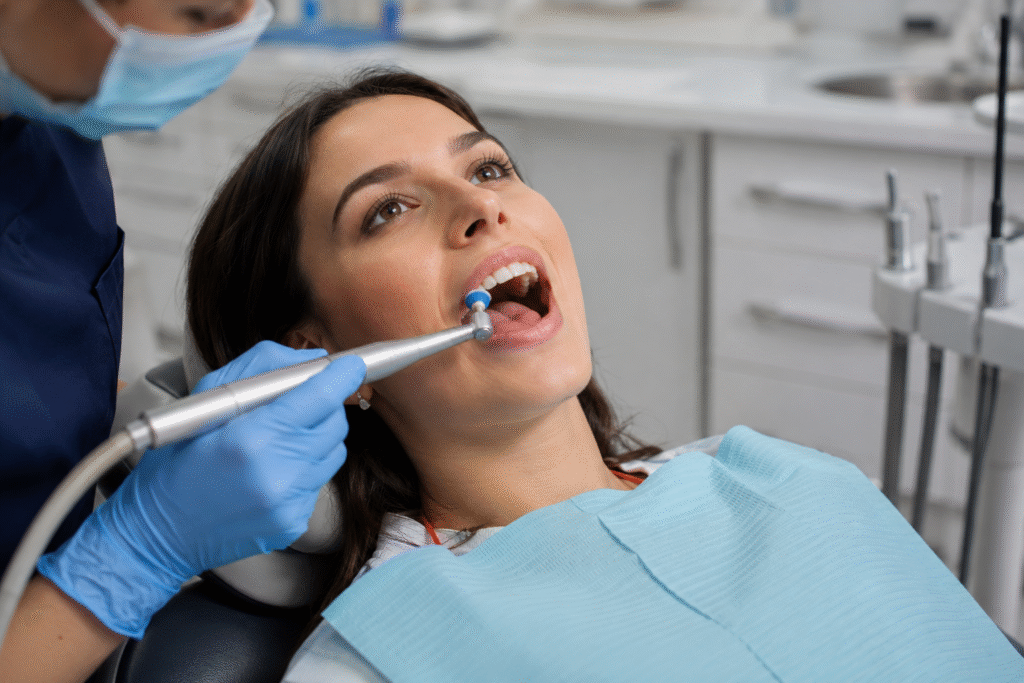
Oral prophylaxis is a dental cleaning procedure performed by professionals to eliminate plaque, tartar, and stains from the teeth. Despite thorough brushing and flossing, certain areas in the mouth can be challenging to clean completely, allowing plaque to accumulate and eventually harden into tartar, which requires professional removal.
Professional teeth cleaning enhances oral health, helps prevent gum disease, minimizes bad breath, and supports a brighter smile. It is widely recognized as one of the most effective preventive dental care methods.
Types of Dental Screening Procedures
Comprehensive Oral Examination
An extensive oral examination includes a thorough evaluation of the teeth, gums, tongue, cheeks, and jaw, with dentists assessing for indicators of tooth decay, gum disease, oral lesions, and any irregularities that could suggest potential health issues.
Dental X-Rays
Dental radiographs offer detailed images of internal structures that are not visible during standard visual examinations, assisting in the detection of concealed cavities, impacted teeth, bone loss, infections, and developmental irregularities.
Oral Cancer Screening
Oral cancer screening plays a critical role in preventive dentistry, involving an examination where dentists assess the mouth, tongue, lips, throat, and surrounding tissues for any unusual lesions, red or white patches, or other potential indicators of oral cancer.
Periodontal Screening
Periodontal screening assesses the condition of the gums and the supporting structures surrounding the teeth. It involves measuring gum pocket depths and examining indicators such as inflammation, bleeding, and gum recession to detect the initial stages of periodontal disease.
Bite and Occlusion Analysis
This procedure evaluates the alignment of the upper and lower teeth. Bite misalignment may contribute to tooth wear, jaw discomfort, headaches, and temporomandibular joint disorders. Early identification facilitates appropriate orthodontic or restorative treatment.
Screening for Dental Caries
Dental caries screening aids in detecting tooth decay at an early stage, utilizing advanced diagnostic tools and visual examinations to identify cavities before they develop further.
The Importance of Early Detection in Dentistry
Prevents Serious Dental Problems
Early detection allows dental professionals to treat minor issues before they become major complications. Small cavities can be restored easily, while untreated decay may eventually require root canal treatment or tooth extraction.
Reduces Treatment Costs
Preventive dental care is generally more cost-effective than restorative treatments, as addressing dental issues early reduces the likelihood of requiring costly procedures or extensive dental work.
Protects Overall Health
Oral health is interconnected with general health, as conditions like gum disease have been linked to heart disease, diabetes, and respiratory illnesses. Identifying issues early can help mitigate health risks and support overall well-being.
Preserves Natural Teeth
Preventive dentistry focuses on maintaining natural teeth for as long as possible by emphasizing regular screenings and timely treatments to prevent tooth loss and support proper oral function.
Improves Quality of Life
Maintaining healthy teeth and gums supports confidence, comfort, and the proper ability to eat and speak, while early diagnosis helps achieve improved oral health outcomes and overall quality of life.
Benefits of Oral Prophylaxis
Removal of Plaque and Tartar
Professional cleaning removes hardened deposits that regular brushing and flossing are unable to eliminate.
Prevention of Gum Disease
Oral prophylaxis minimizes bacterial buildup, which helps reduce the likelihood of developing gingivitis and periodontitis.
Fresh Breath
Bad breath is commonly associated with bacteria and plaque accumulation, which can be addressed through professional cleaning to support fresher breath.
Enhanced Appearance
Eliminating surface stains caused by substances like coffee, tea, and tobacco enhances the appearance of teeth and helps achieve a brighter smile.
Early Identification of Oral Health Issues
During professional cleaning appointments, dentists are able to detect early signs of potential dental issues and suggest suitable treatments.
Who Should Undergo Regular Dental Screening?
Regular dental screening is beneficial for everyone, including:
- Children and teenagers
- Adults of all ages
- Senior citizens
- Patients with diabetes
- Smokers and tobacco users
- Individuals with a history of gum disease
- Patients undergoing orthodontic treatment
Regular check-ups contribute to maintaining good oral health and promoting long-term dental well-being.
How Often Should You Schedule Dental Screening and Oral Prophylaxis?
Dental professionals generally advise undergoing dental screenings and professional cleanings every six months, though individuals with an elevated risk of dental diseases may need more frequent appointments, depending on their specific oral health needs.
Routine dental visits enable dentists to track changes in oral health, deliver preventive treatments, and address potential issues early to prevent them from escalating.
What to Expect During an Oral Prophylaxis Appointment
During a professional cleaning appointment, the dental team typically:
- Examines the teeth and gums.
- Removes plaque and tartar deposits.
- Polishes the teeth to remove surface stains.
- Provides oral hygiene instructions.
- Evaluates overall oral health.
The procedure is typically comfortable and contributes significantly to the maintenance of healthy teeth and gums.
Maintaining Oral Health Between Dental Visits
Patients can support their oral health by:
- Brushing twice daily with fluoride toothpaste.
- Flossing every day.
- Limiting sugary foods and beverages.
- Drinking plenty of water.
- Avoiding tobacco products.
- Visiting the dentist regularly.
Maintaining regular oral hygiene practices alongside routine professional dental care serves as the basis for long-term oral health.
Dental screening and oral prophylaxis play a vital role in preventive dentistry by facilitating routine examinations, professional teeth cleaning, and the early identification of dental issues. These practices contribute to maintaining healthier teeth, stronger gums, fresher breath, and overall oral health. Consistent dental visits assist in preventing serious oral health problems, lowering treatment expenses, and prolonging the longevity of natural teeth. Prioritizing preventive dental care is an effective approach to sustaining oral health and well-being over the long term.